Conference
MIF Conference
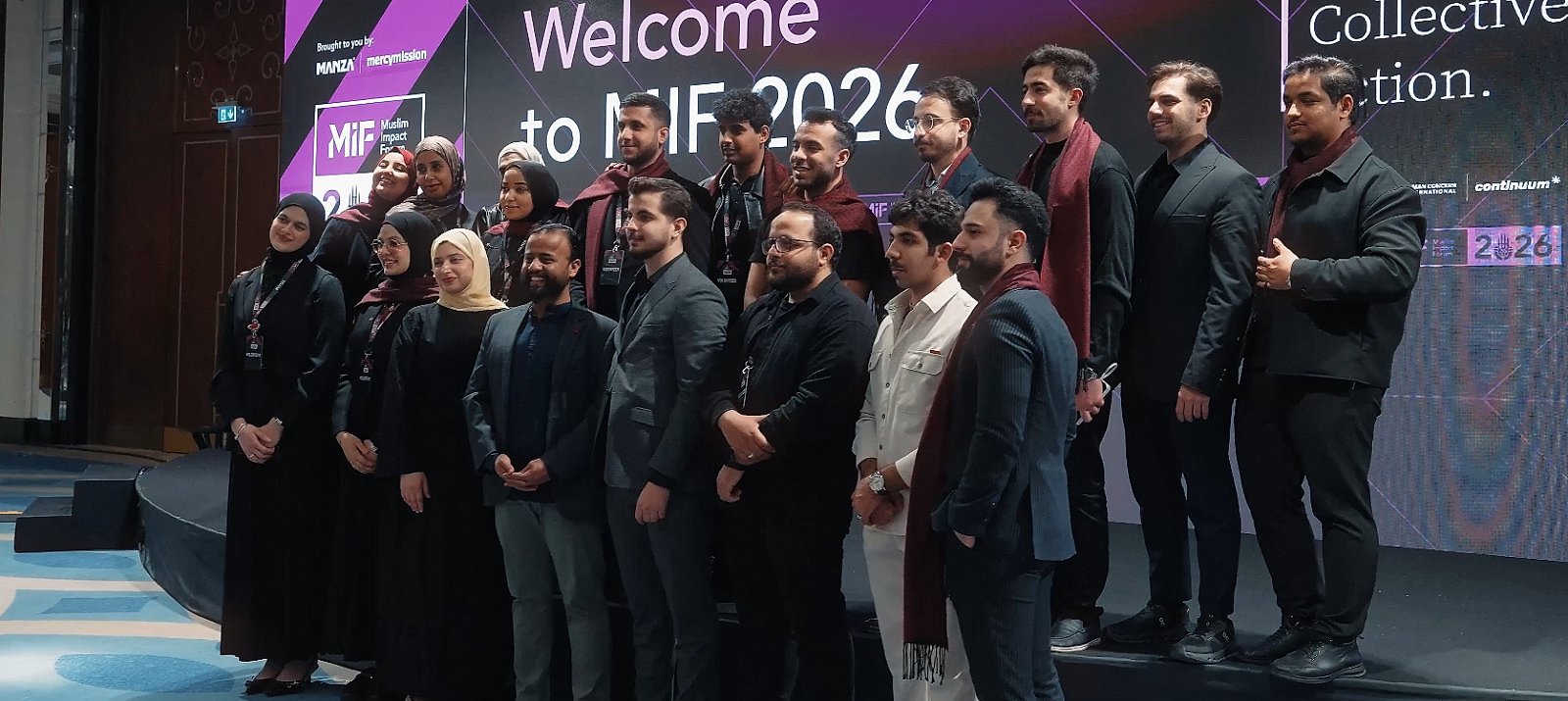
Full-scale conference coverage for MIF — sessions, interviews, daily recaps and a short documentary.
- Role
- Producer & Director
- Team
- ~15 people
Overview
MIF was a large-scale conference bringing together speakers and influential figures within a dialogue space focused on contemporary ideas and their regional context. The coverage wasn’t a straightforward record of the event — it was an attempt to build it visually, as a living system of discussions, moments and interactions within one moving space. The event was treated as a complete visual work that goes beyond conventional conference coverage, toward a visual narrative that reflects the venue’s rhythm and the presence of ideas within it.
Role
Producer & Director. I held full oversight of the project — from setting the creative vision through managing on-the-ground execution, coordinating the crew and overseeing the final shape of every visual deliverable.
Scope
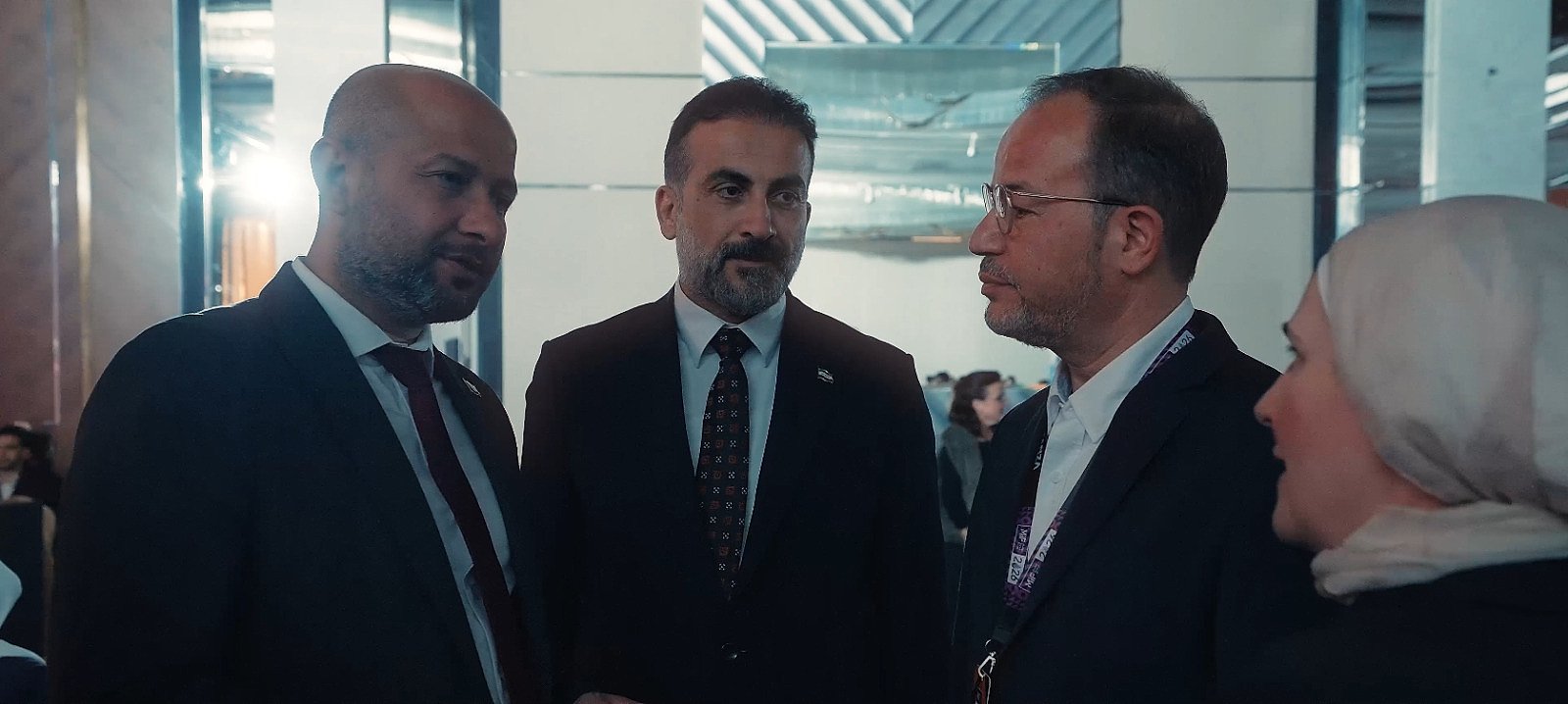
The coverage produced a wide system of visual material: coverage of the main conference sessions, key speaker moments and pivotal quotes, daily recap videos capturing the event’s rhythm, content built specifically for social media, interviews with speakers and participants, promotional material before and during the conference, comprehensive photography, ad content cut from event footage, and a short documentary summarizing the experience.
Concept
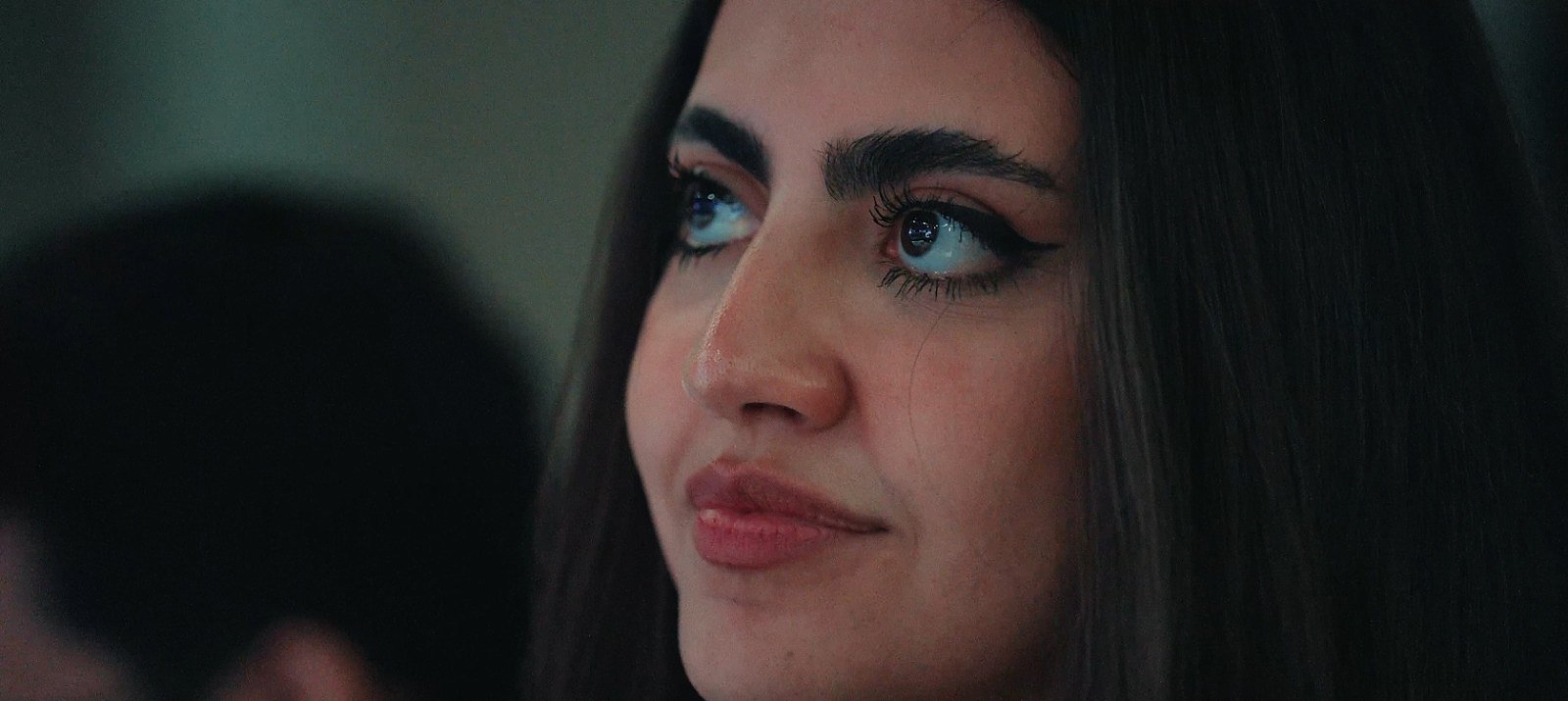
The idea was to redefine how conferences get covered — not as a straight live record, but as a visual reconstruction of the event itself. The focus was on turning MIF into a narrative experience built from the relationships between moments, where every shot becomes part of a larger context reflecting the conference’s overall idea rather than simply presenting it in a straight line. The visual style leaned on a quiet cinematic narrative that balances documentation with an aesthetic sensibility, with clear attention to visual rhythm and continuity of feeling across scenes.
Execution
Execution came within a larger, more complex production environment than previous projects, with a crew of around 15 and a clear multiplication of roles and tasks. More professional camera equipment was used, giving greater flexibility in coverage and a wider range of angles and image quality — but in turn demanding finer management of crew movement and tighter coordination between departments. The work required constant coordination between production and field direction to ensure every session and important moment was covered without losing the project’s narrative character. The visual deliverables were designed to fit different platforms, while holding one visual identity across all the material — from short-form clips to long-form pieces. Despite the size of the crew and the scale of the production, the project came together as a cohesive visual work that reframes conference coverage within a narrative framework, not just a documentary one.